


Asphalt Resurfacing vs. Replacement: Which Does Your Commercial Lot Need?
When a commercial parking lot starts looking rough, most owners land on the same question. Can we put a new layer on top, or does the whole thing need to come out? The answer has a big impact on cost, downtime and how long the fix will last.
After more than 70 years of paving in Central Ohio, we can tell you the decision almost always comes down to one thing: what is happening below the surface.
What Resurfacing Is
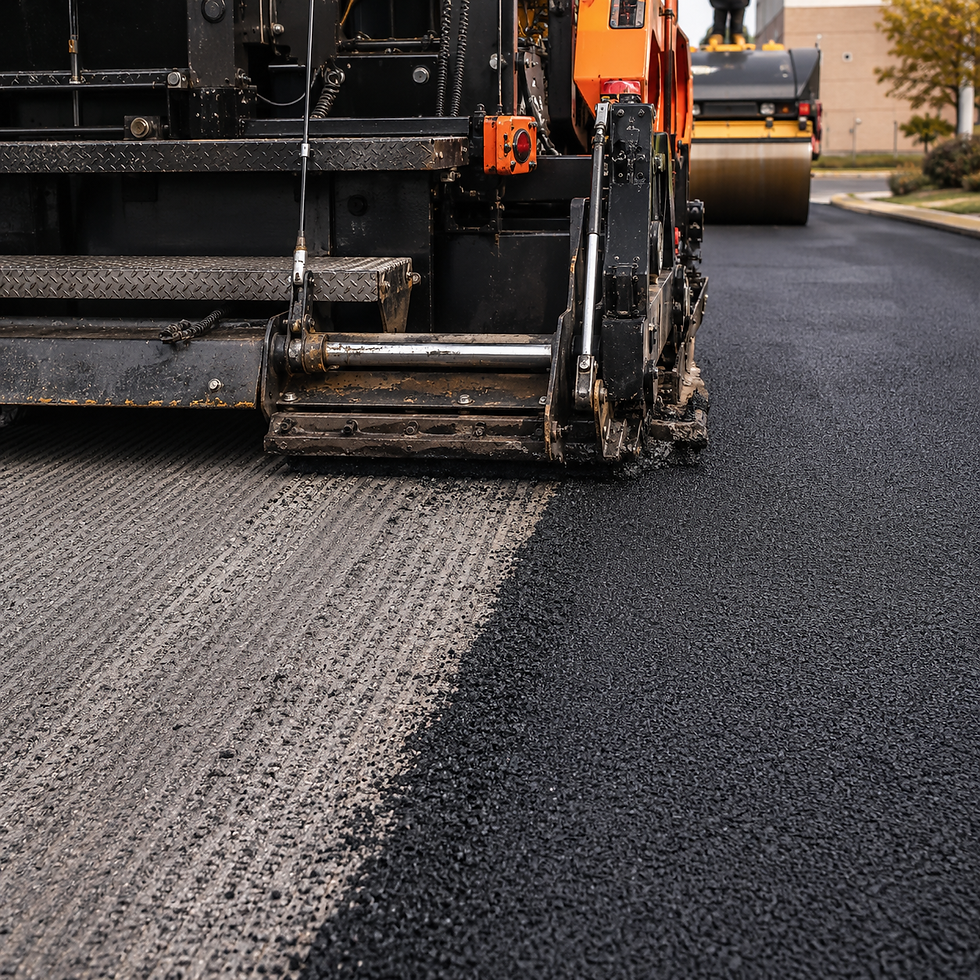
Resurfacing, also called an overlay, puts a new layer of hot mix asphalt over your existing pavement. In most commercial jobs the top layer is milled off first so the new surface ties in at the right height with curbs, drains and building entrances. Damaged spots are repaired, a tack coat is applied, and the new asphalt is laid and compacted.
The result looks and drives like a new lot, at a lower cost and with less disruption than tearing everything out.
What Replacement Is
Full replacement removes the existing asphalt down to the base. The base is inspected, repaired or rebuilt, regraded for drainage, and compacted. Then new asphalt is installed in layers. It is a bigger project, but it is the only real fix when the foundation of the lot has failed.
When Resurfacing Makes Sense
The damage is mostly on the surface: fading, raveling, minor cracking.
The lot drains well and water is not pooling in large areas.
Cracks are isolated rather than spread across the whole surface.
There is little to no rutting, sinking or heaving.
The lot has not already been overlaid several times.
When Replacement Is the Better Investment
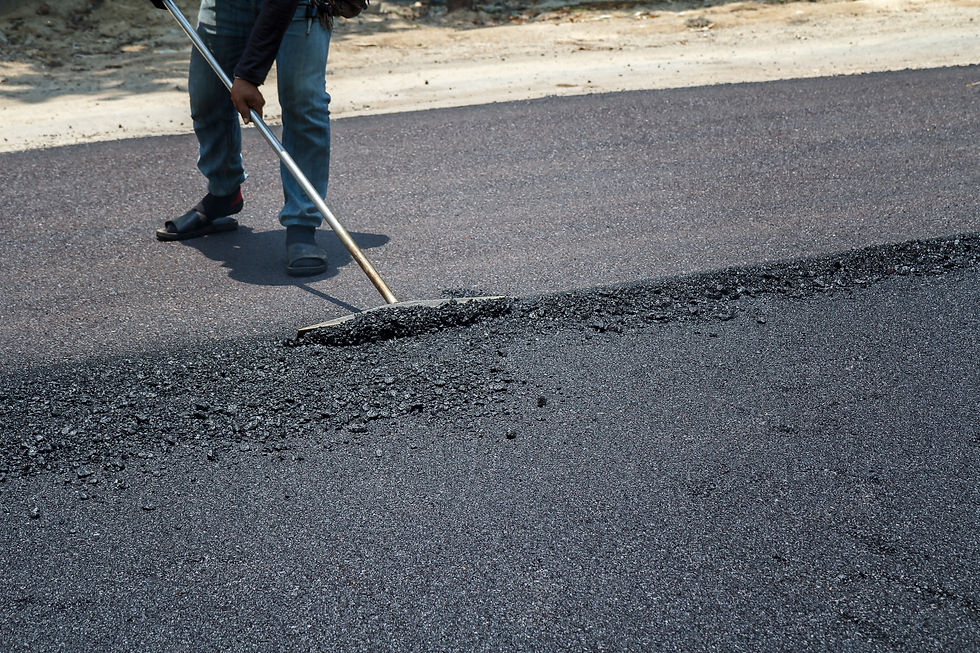
Alligator cracking: Interconnected cracks that look like scales usually mean the base underneath has given out.
Widespread potholes: If you are patching the same areas every spring, the problem is below the surface.
Drainage failures: Large standing-water areas often need regrading, which an overlay cannot fix.
Rutting and settling: Deep wheel paths and low spots point to a base that is moving.
Age and history: An older lot with multiple overlays may have reached the end of its useful life.
Putting an overlay on a failed base is the most common mistake we see. It looks great for a season or two, then the same cracks come right back through the new asphalt. That is money spent twice.
There Is Often a Middle Ground
Many lots are not all good or all bad. A common approach is to remove and replace the failed sections with full-depth repairs, then resurface the entire lot. You get a sound base where it matters and a uniform new surface everywhere, without paying for full replacement across areas that are still solid.
Questions to Ask Before You Decide
How long do we plan to own or operate this property?
Which areas carry truck traffic or heavy loads?
Where does water go after a heavy rain?
Can the work be phased so the business stays open?
Get an Honest Assessment
We will walk your lot, show you what we see, and give you options for both approaches when both make sense. Learn more about asphalt resurfacing and full asphalt paving, call (614) 272-7770, or request a free estimate.


